Strategic alignment
Make the direction clear, explicit and steerable.
Toryo helps leaders make the gaps between stated strategy, shared understanding and actual execution visible and assessable.
The problem is not always a lack of strategy.
In many organisations, strategy exists. Yet a gap can open up between what is stated, what is understood and what is actually executed.
At Toryo, we call this a sincerity gap in strategic intent: an organisational gap that can be made visible and assessed.
The more an organisation evolves, the more these gaps matter.
When they take hold, alignment gaps make trade-offs more difficult, blur priorities and increase coordination effort.
The faster an organisation and its environment evolve, the more costly it becomes to allow these gaps to take hold.
The Strategic Intent System by Toryo ® is a proprietary approach designed to make strategic intent clear, shared, sincere and steerable over time.
It makes gaps visible, extends the analysis to different levels of the organisation and allows assessments to be repeated regularly in order to steer alignment over time.
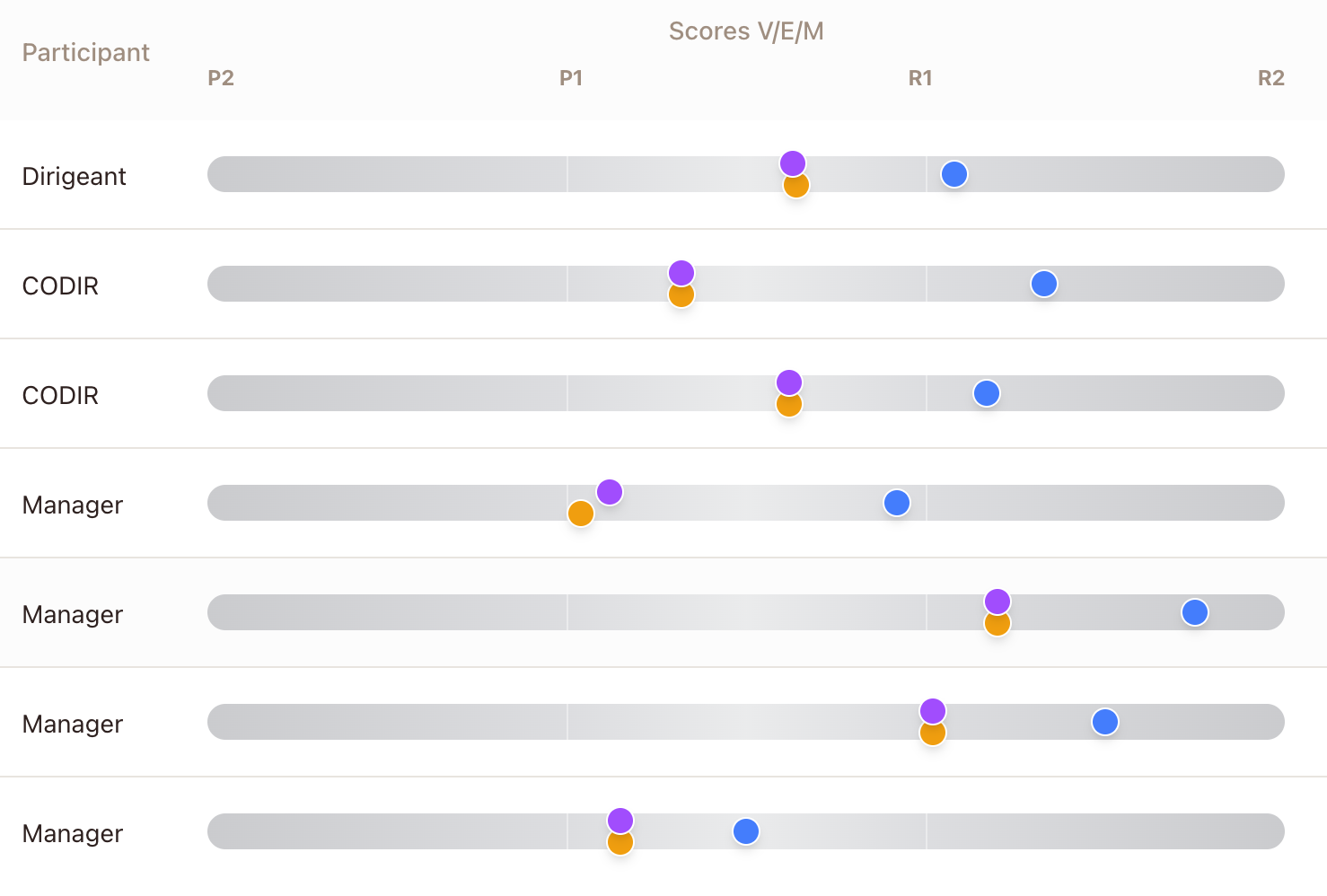
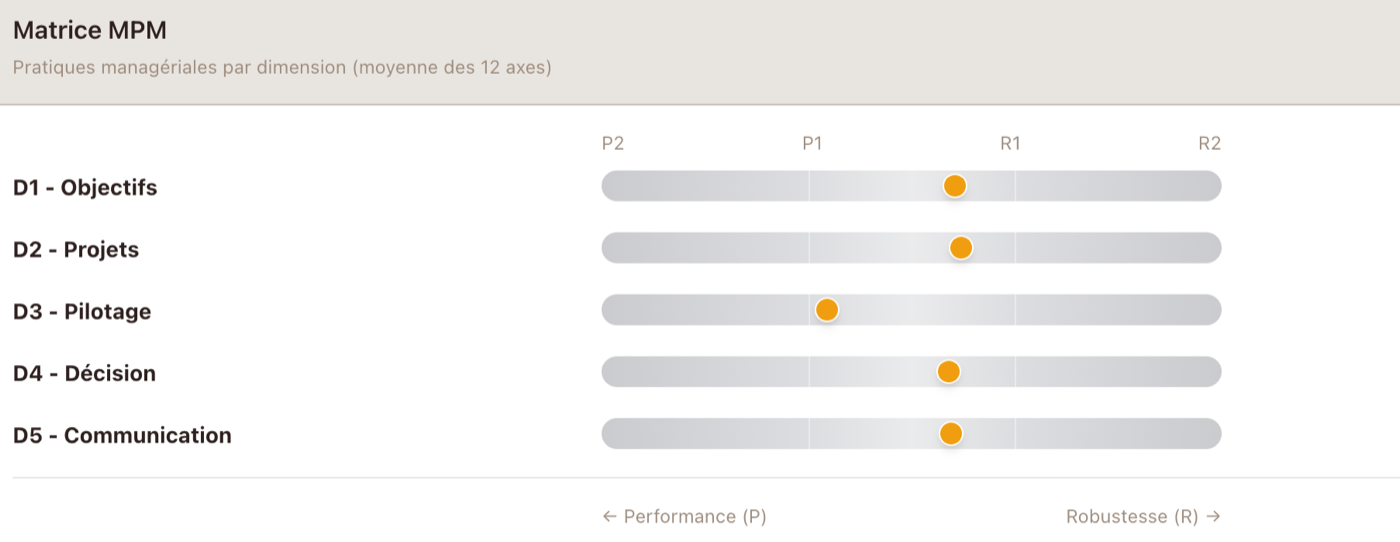
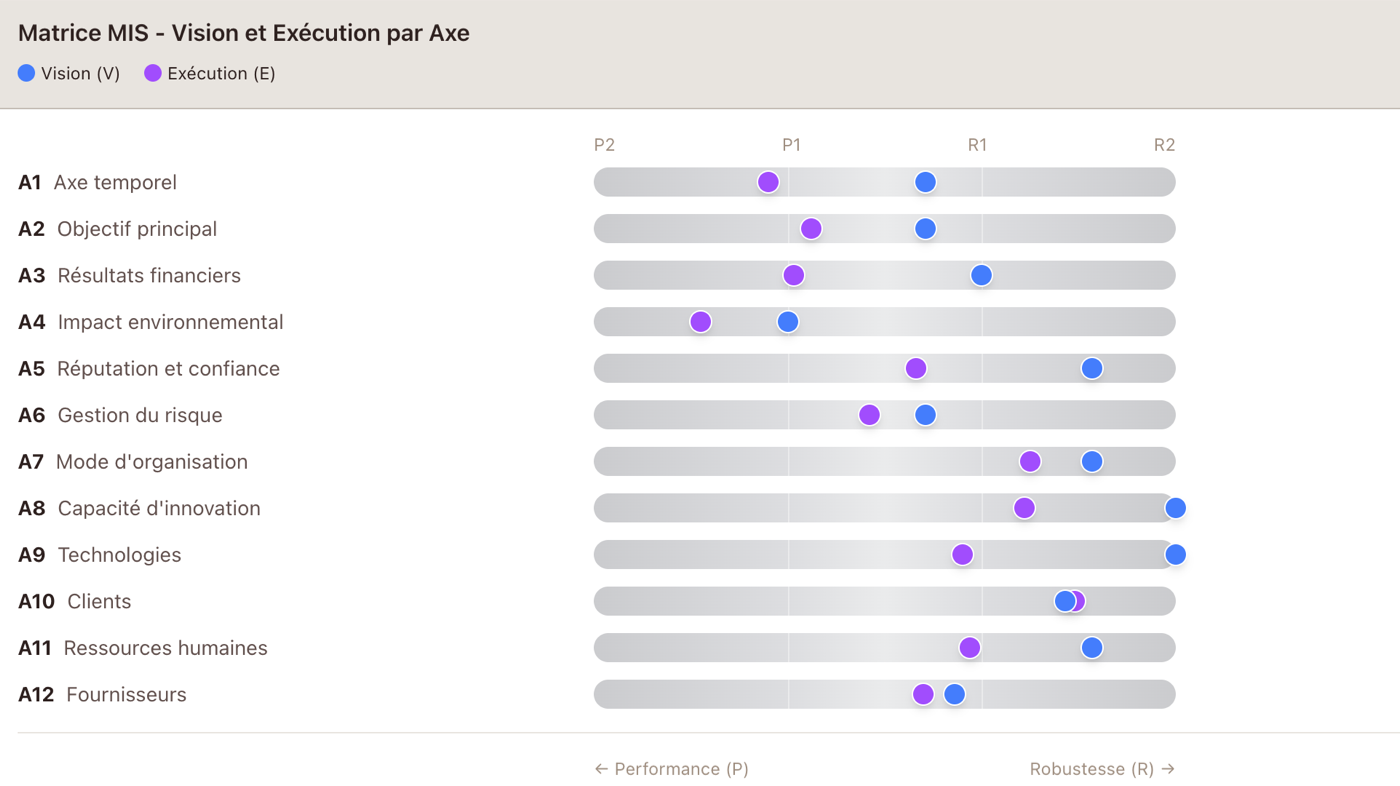
The Strategic Alignment Diagnostic by Toryo ® is the first targeted application of the Strategic Intent System.
3 to 15 people · 2 to 3 weeks
A factual basis for deciding what to realign, in what order and why.

Make the direction clear, explicit and steerable.
Create a shared and mobilising understanding.
Build lasting coherence between words and actions.
Assess alignment gaps when growth, transformation, changes in governance or the integration of a new entity make coherence harder to maintain.
For organisations →Integrate a factual and structured view of strategic alignment into your own client engagements.
For consultants & coaches →“The Strategic Alignment Diagnostic confirmed what I had already sensed empirically. Above all, it gives us a factual basis for discussion with the team, helping us clarify where we are and what we need to work on now.”
Why is strategic intent becoming more important as uncertainty grows, decision-making becomes more distributed and AI transforms organisations?
Download the white paper →